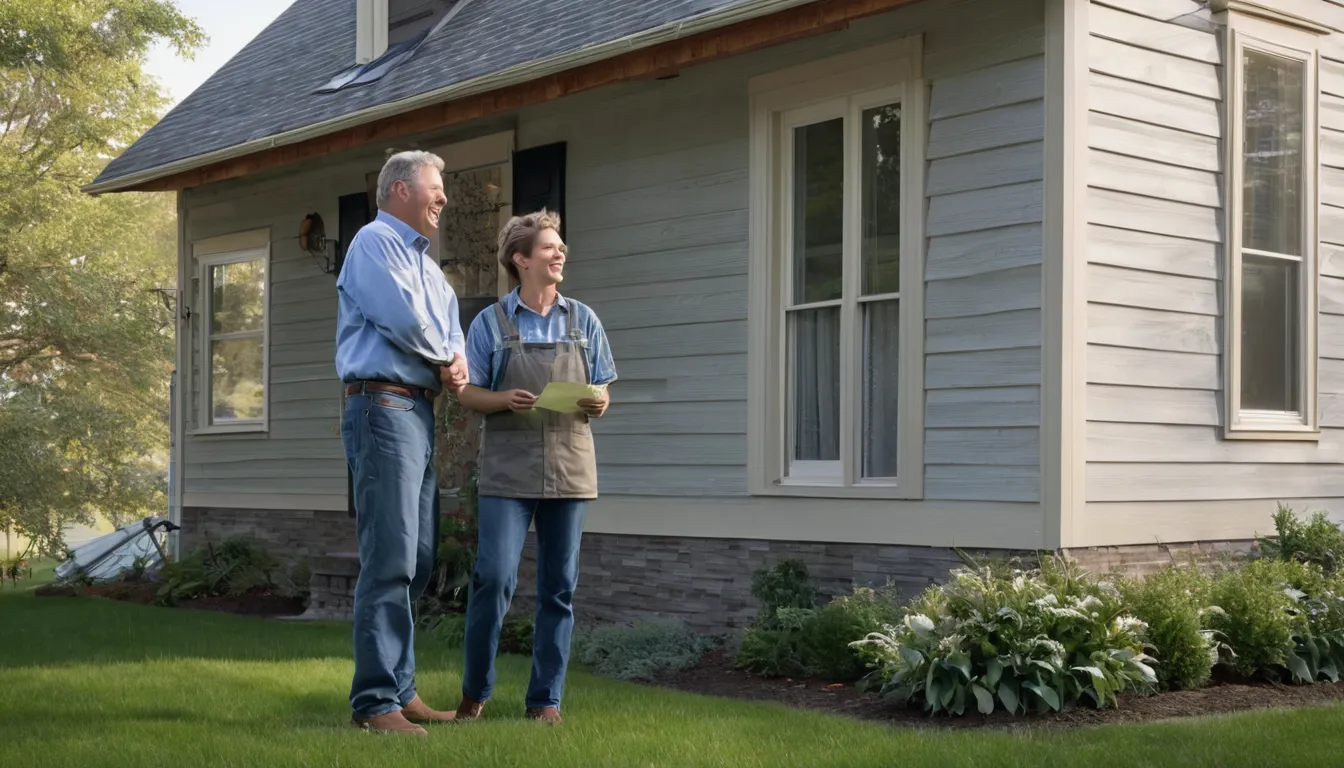
Siding Installation for Boston Homes
Request an estimate and compare
Siding does a quiet job. It keeps rain, snow and wind off the walls you cannot see. When it starts to fail, the trouble usually begins behind it. Interestingwish Windows & Siding helps you get ahead of that, gently.
Interestingwish Windows & Siding is a referral service. It does not install siding. It connects you with independent residential siding contractors in our network, so you can compare estimates side by side. Each provider sets its own prices, schedule and materials. You ask your questions, read the written quotes, and choose when you feel ready. This page walks you through the signs, the materials, the steps and the questions to ask. Take it slowly. No rush here.
Siding Failing? Start Here
Take a breath. Most siding problems give you time to plan. A few do not, and those come first.
Check for water getting in
Look for stains on interior walls near the ceiling or window corners. Look for bare spots where panels have blown off. If you see gaps that expose the layer underneath, rain and melting snow can soak in. Cover nothing yourself on a ladder in bad weather. Stay safe, take photos, and begin comparing providers soon.
Signs Your Home Needs New Siding
Some signs are loud. Others are easy to miss. Here are the ones neighbors tend to notice.
Panels that are cracked, warped or loose
A few cracks can be a one-time bump from a ball or a branch. Many cracks, wavy boards or panels that rattle in the wind point to a tired wall.
Soft, dark or crumbly spots
Press gently on wood siding near the ground. If it feels spongy, moisture has likely been sitting there. Dark streaks that return after cleaning can mean the same thing.
Bubbles, peeling paint and mold
Paint that lifts in sheets or bubbles often means moisture is pushing from behind. Green or black growth on shaded walls deserves a closer look.
Heating bills that creep up
Drafty rooms and rising bills can come from worn siding and thin wall layers. Newer wall systems may help the house hold heat better.
Old Houses, Gentle Care
Older homes are full of stories. Some of those stories are tucked inside the walls.
Layers from past projects
Many older houses have two or three layers of siding from years past. A provider may need to take them off to see what is underneath. That is normal, and it is worth asking about.
Hidden surprises behind the boards
Old sheathing can be damp, uneven or thin. Wall corners may have settled. Window trim may have been patched more than once. A careful provider will point these out before the work starts, so the quote does not change by surprise.
Stone and block foundations
Where siding meets a stone or block base, the joint needs careful flashing. Ask how the provider plans to handle that edge.
Choosing a Siding Material
There is no single right answer. There is only what fits your house, your climate and your budget.
Vinyl siding
Vinyl siding is popular because it is light, comes in many colors and needs little upkeep. Thicker panels and insulated backing handle cold snaps better. It can be a gentle match for many older homes.
Fiber cement
This is a heavier, sturdier board that resists rot and holds paint well. It costs more and takes more labor to hang.
Wood and engineered wood
Wood gives a classic look, especially on Cape Cod style homes. It needs regular sealing or painting. Engineered boards cost less and resist moisture better than plain wood.
Insulated siding
Foam backing adds a layer of warmth and smooths out uneven walls. Ask whether it suits your home, and how it pairs with energy efficient windows if you plan those later.
Built for Freeze, Thaw and Storms
Cold winters and coastal storms are hard on walls. Melting snow can run down behind loose panels. Ask each provider how they flash corners, seal edges and let the wall dry out.
What Siding Installation Involves
The steps are simple to follow once you see them in order.
Inspect and measure
The provider looks at your walls, trim and rooflines. They measure and note anything unusual.
Remove old siding
Old panels come off. The bare wall is checked for soft spots and damage.
Wrap and prepare
A weather barrier goes up. Flashing goes around openings. Any damaged sheathing is replaced.
Hang the new siding
Panels or boards are fastened in place, then trim, corners and finishing pieces are added. The site is cleaned up at the end.
How Long Does Siding Installation Take?
Most average homes take several days to a couple of weeks. Weather, wall shape, material and hidden surprises all change that. Ask each provider for a written timeline, and ask what happens if rain moves in.
Planning Ahead
A little planning keeps the project calm.
- Move grills, planters and furniture away from the walls.
- Trim back bushes near the house.
- Tell neighbors that some noise is coming.
- Take photos of your walls before work begins.
- Ask about the order of work if you also plan home window replacement.
If you have a window project in mind too, it can help to mention it early. Windows have their own page here.
Comparing Estimates Side by Side
Get more than one written quote. Put them next to each other. Check that each lists the same material, the same wall prep and the same cleanup. A big gap in price often means a gap in scope, not a bargain.
Questions to Ask the Provider
- What material and thickness are you quoting?
- How will you handle damaged sheathing, and how is that priced?
- How will you flash around windows, doors and the foundation edge?
- Who handles permits, and what is the schedule?
- What does the written warranty cover, and who backs it?
Write down the answers. They will help when you compare.
No Rush Here
You can look, ask and think it over. Request a callback to check provider availability, or send a request when you are ready. Compare, then decide.
What's Included
Provider Matching
Request an estimate and get connected with independent siding providers who serve your part of the area.
Side-by-Side Quotes
Compare written estimates for material, wall prep and timeline before you choose anything.
Older Home Awareness
Ask providers how they handle old layers, thin sheathing and past patchwork on aging walls.
Material Options
Talk through vinyl siding, fiber cement, wood and insulated choices with each provider you meet.
Typical Siding Installation Costs
Prices change with house size, material, wall condition and local labor. These are typical U.S. ranges for a whole home, not quotes. Always ask each provider for a written estimate before you decide.
| Item | Typical range | Notes |
|---|---|---|
| Vinyl siding, average home | $10,000 – $20,000 | Wide color choice, light upkeep |
| Insulated vinyl siding | $13,000 – $24,000 | Foam backing adds warmth |
| Fiber cement siding | $15,000 – $30,000 | Heavier board, more labor |
| Wood or engineered wood | $12,000 – $25,000 | Needs sealing or paint over time |
| Old siding removal and disposal | $1,000 – $3,000 | Extra layers raise the price |
| Sheathing and weather barrier work | $500 – $4,000 | Depends on hidden damage found |
How It Works
Share Your Details
Tell us about your home, your siding and what you notice on the walls.
Get Connected
A referral places you with independent siding providers in the network near you.
Compare Written Estimates
Review the materials, wall prep, timeline and price from each provider side by side.
Decide in Your Time
Choose a provider when you feel ready, or take more time. No obligation.
Why Call Interestingwish Windows & Siding
Compare Without Pressure
Look at several estimates at your own pace. Nobody is hurrying you toward a decision.
Care for Older Homes
We keep aging walls, past patchwork and hidden surprises in mind when we explain your options.
Independent Providers
Each provider sets its own prices and schedule, so you can weigh real differences.
Plain Answers
Simple language, honest limits and no obligation to move forward.
Other Services
Need siding installation in Boston?
Send a quick request and a local provider can reach out with an estimate. Prefer to talk? Request a callback to check provider availability. No obligation.
No obligationSiding Installation FAQ
How do I know if my siding needs to be replaced?
Look for cracked, warped or loose panels, soft spots, peeling paint, mold and rising heating bills. If you see water stains inside, start comparing providers soon. A written estimate can confirm what the walls need.
Is vinyl siding a good choice for cold winters?
Vinyl siding can work well in cold climates, especially thicker or insulated panels. Ask the provider how they install it to handle freeze-thaw cycles, snowmelt and wind.
Does Interestingwish Windows & Siding install the siding?
No. Interestingwish Windows & Siding is a referral service. It connects you with independent local providers in its network. Those providers do the work and set their own prices, schedules and warranties.
Get in touch
Send a quick request and a local provider can reach out with an estimate. Prefer to talk? Request a callback to check provider availability. No obligation.
No obligation